Vibrating Feeder

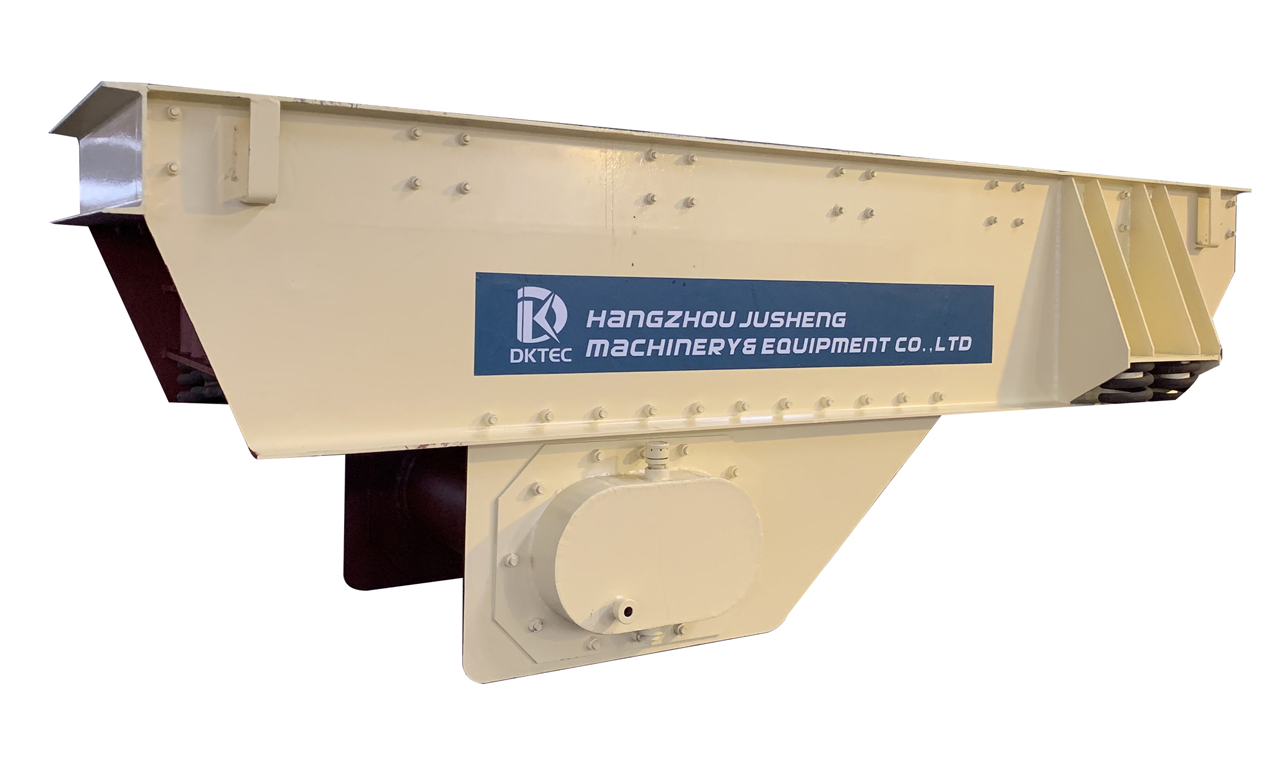
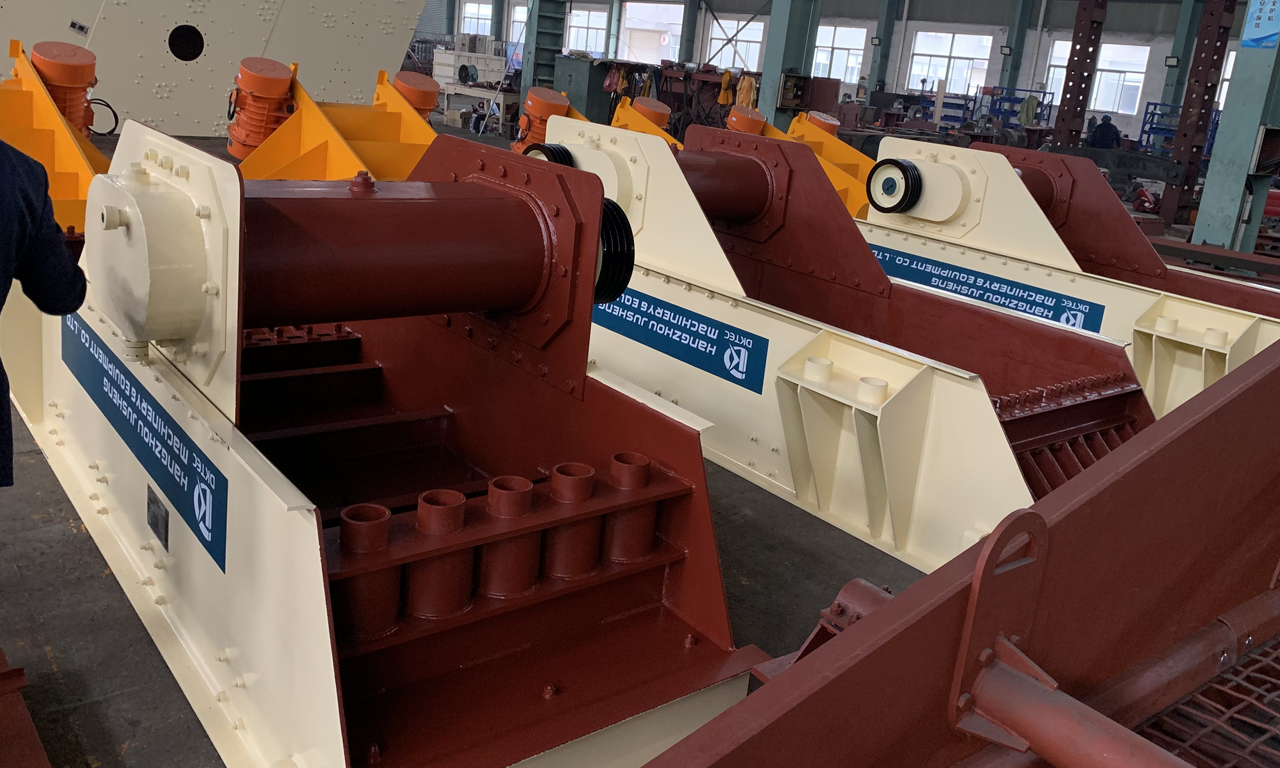
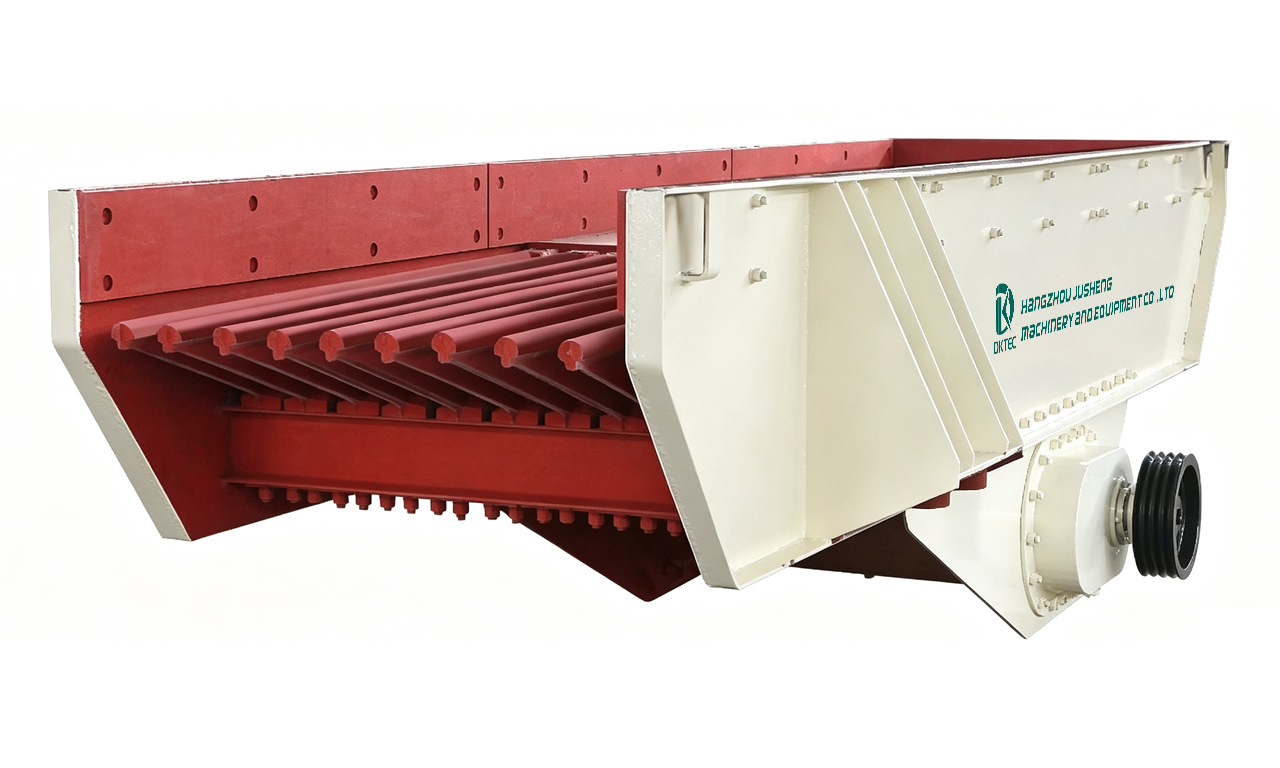
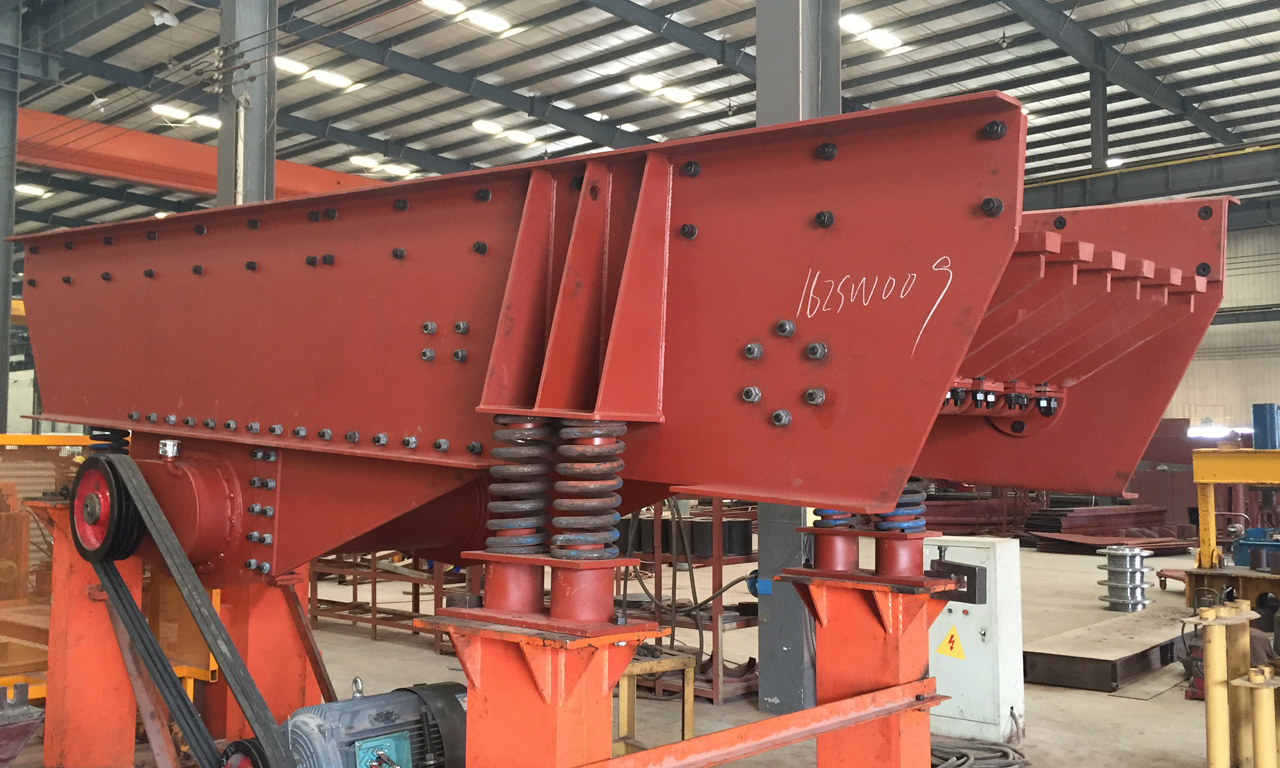
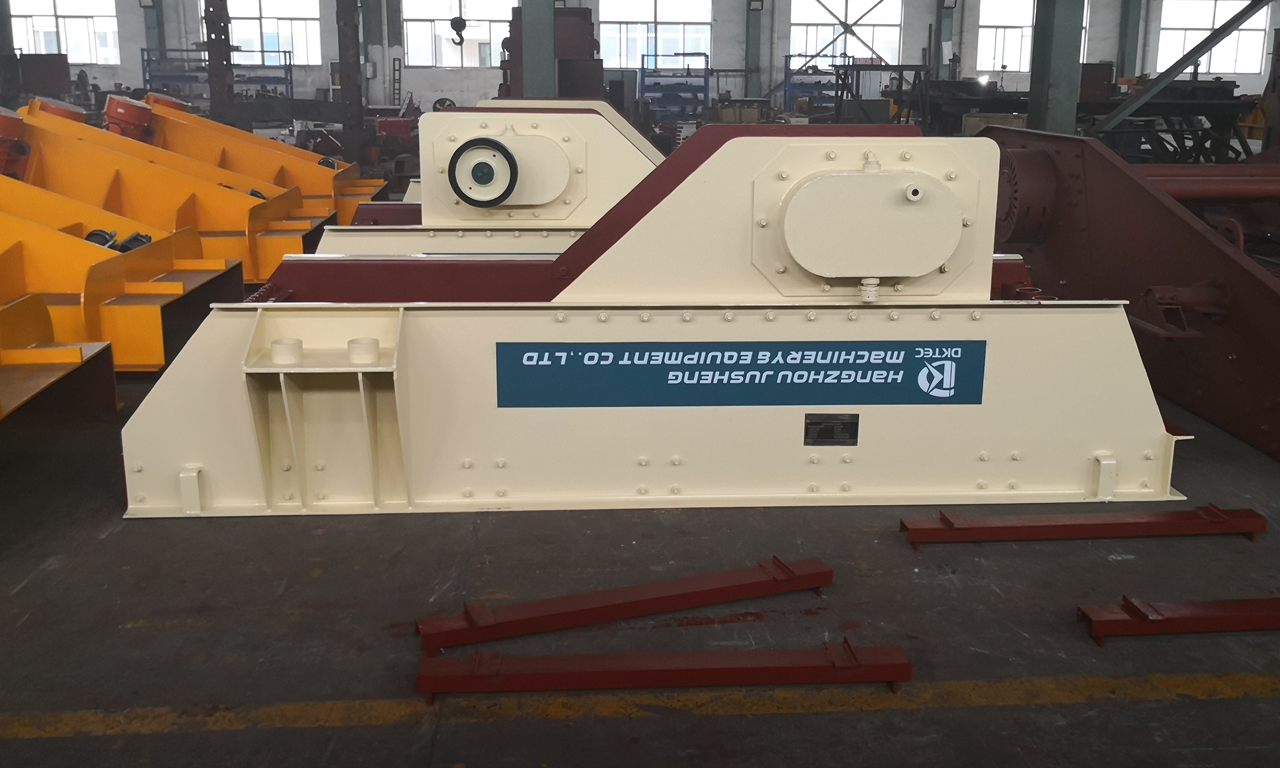
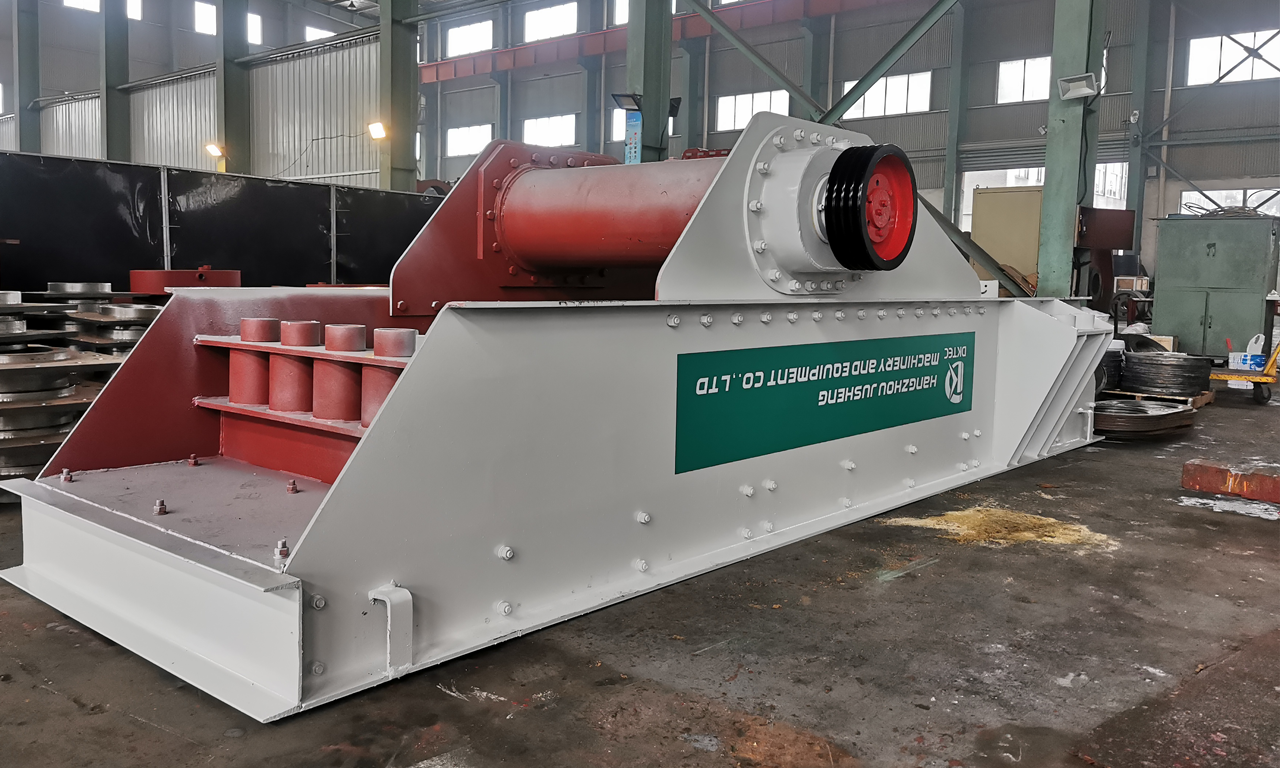
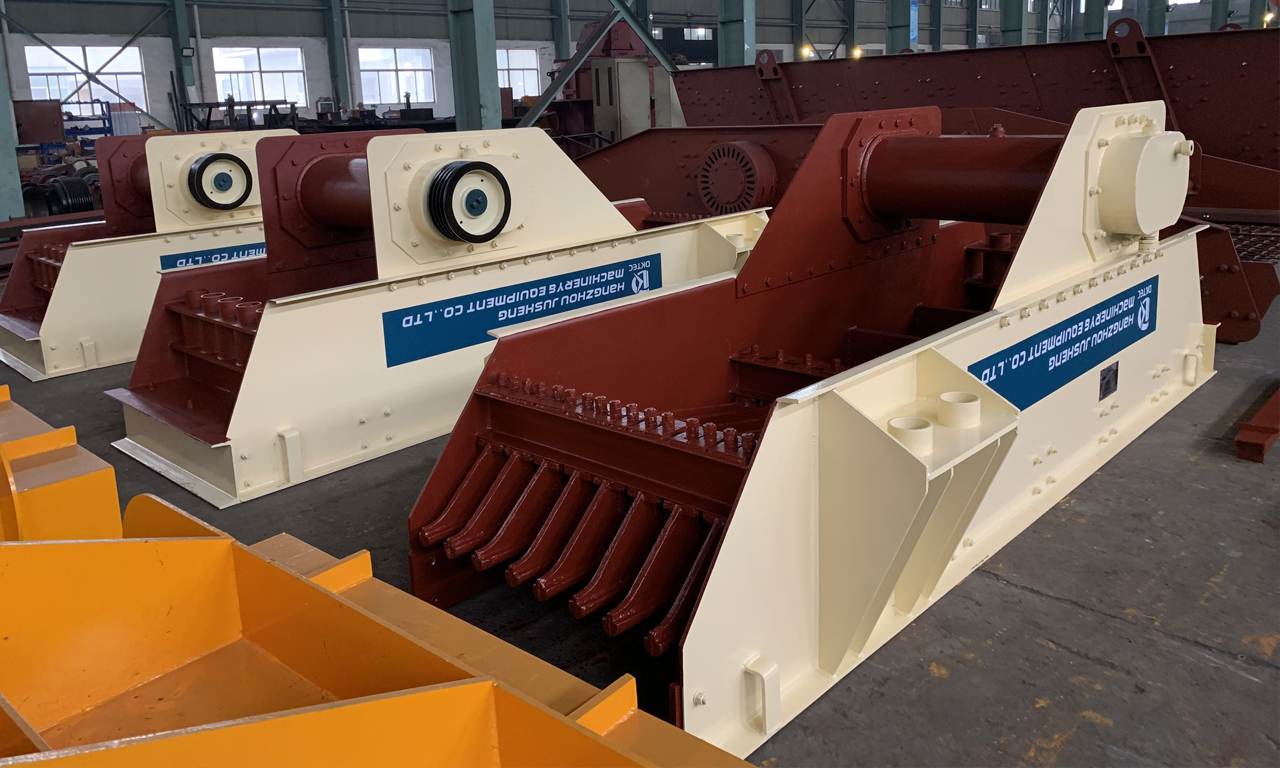
GZG, ZSW series vibrating feeder is specially designed for crushing screening before coarse crusher evenly conveying bulk material and design a new type of vibrating feeder. The machine in the production process can be massive, granular materials from storage bin evenly. regularly and continuously to the device, there by preventing the machine due to uneven feed of the phenomenon of gosh,prolong the service life of the equipment. It is widely used in metallurgy cool ore,mine separation,building materials,construction,chemical etc.this series vibrating feeder smooth vibration, reliable operation, low noise, small energy consumption,no flow phenomenon, long service life, convenient maintenance and light quality, small volume,equipment adjustment convenient installation, good comprehensive performance, when closed the fuselage structure is used to prevent dust pollution.


Vibrating Feeder

Applications

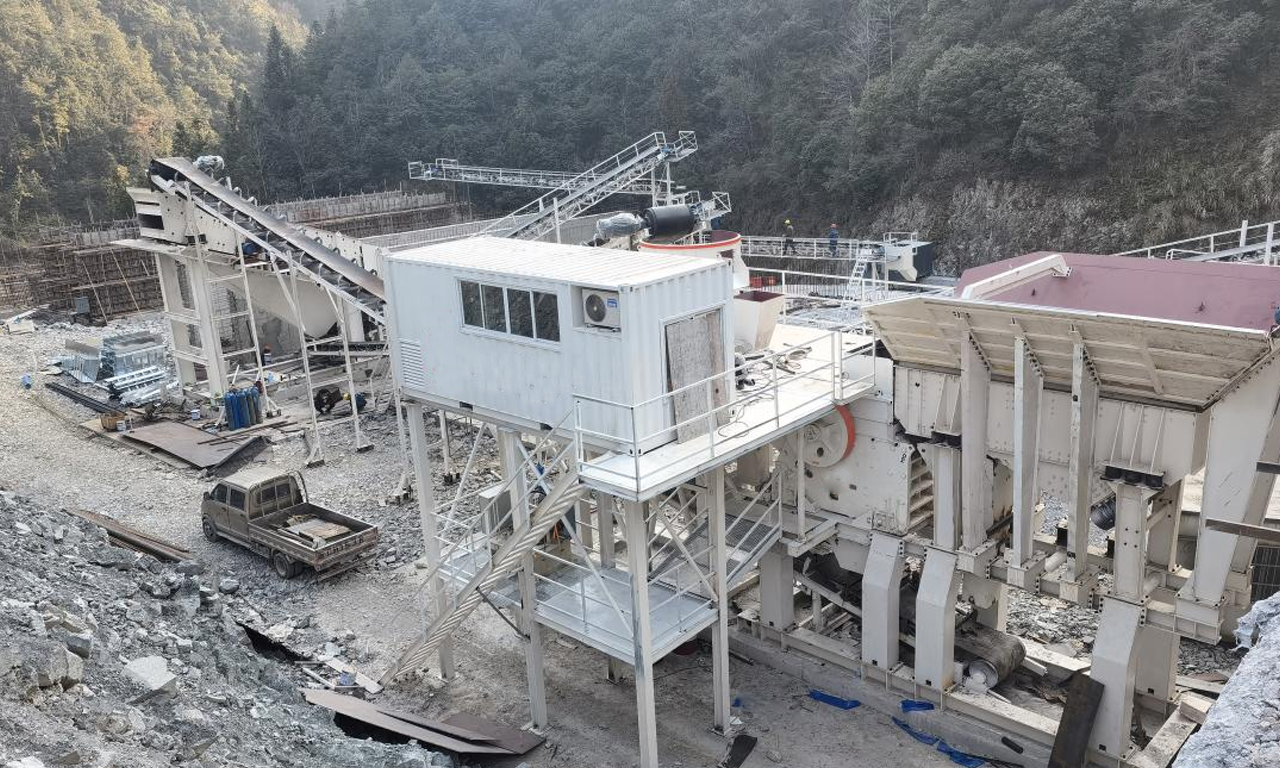
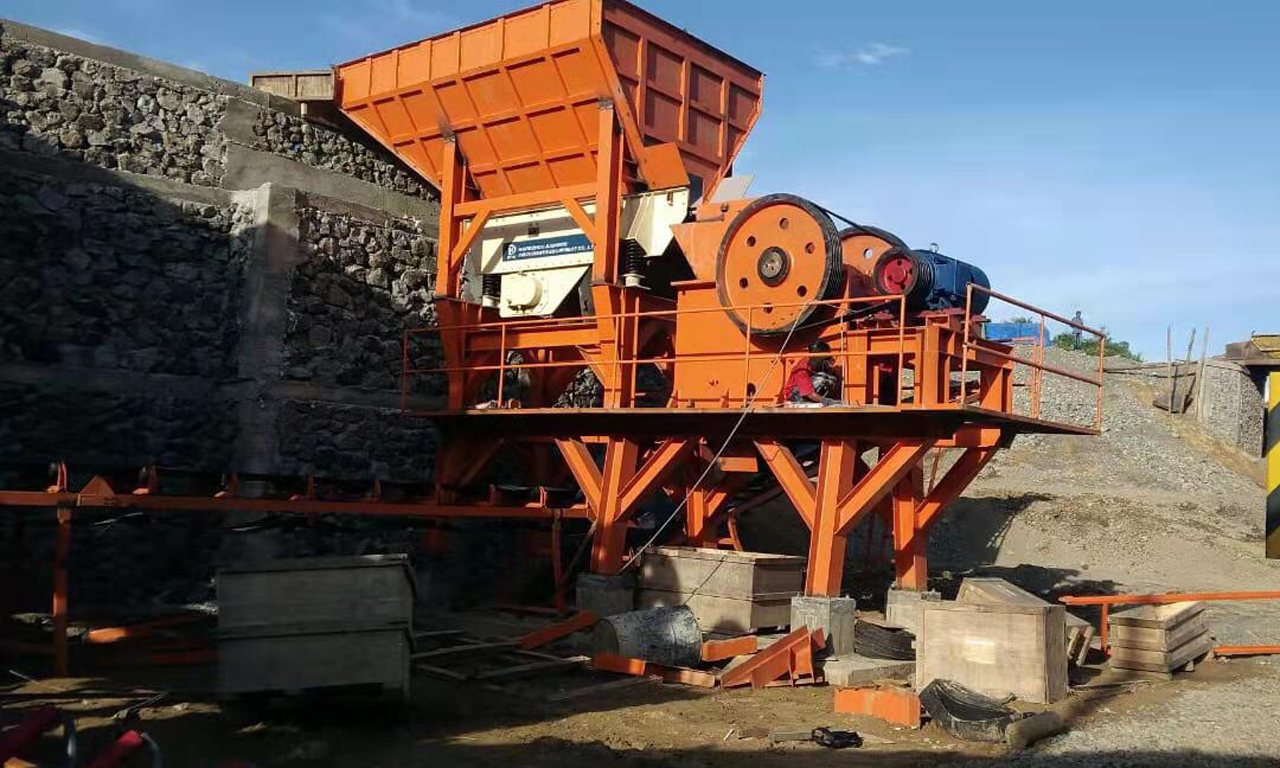
DKTEC MVF Vibrating Feeders are designed for high capacity feeding especially for secondary and tertiary duties. MVF feeders all work on the same principle, that being the extraction of materials from under crushers, bins, hoppers etc, or fed by a conveyor with a regulated flow to promote a steady supply to maximise production in the processing plant.

Vibrating Feeder Technical Specifications

Model

Hopper size (mm)

Max.feed size (mm)

Capacity (t/h)

Electric motor power (kw)

Weight (t)

Dimensions (mm)

GZD-490×1104900×1100900120-3005.5×245200×1900×950
GZD-500×1205000×12001000200-4005.5×25.25450×2000×900
ZSW-380×963800×960700100-250114.213882×1684×1340
ZSW-490×1104900×1100800120-300155.414957×1841×1365
ZSW-590×1105900×1100900200-350226.056000×1841×1365
ZSW-600×1306000×13001000400-60022-307.56028×2580×2083
ZSW-600×1506000×15001000450-65030-378.76271×2369×2698

*At specified inclination and for material weighing 1.6 t/m³ or 100 lbs/ft³. Capacity values are indicative only and depend not only on feeder size but also on feeder inclination, feed gradation, etc.

What is Vibrating Feeder?

GZG, ZSW series vibrating feeder is specially designed for crushing screening before coarse crusher evenly conveying bulk material and design a new type of vibrating feeder.

The machine in the production process can be massive, granular materials from storage bin evenly. regularly and continuously to the device, there by preventing the machine due to uneven feed of the phenomenon of gosh,prolong the service life of the equipment.

It is widely used in metallurgy cool ore,mine separation,building materials,construction,chemical etc.this series vibrating feeder smooth vibration, reliable operation, low noise, small energy consumption,no flow phenomenon, long service life, convenient maintenance and light quality, small volume,equipment adjustment convenient installation, good comprehensive performance, when closed the fuselage structure is used to prevent dust pollution.

Types of Vibrating Feeder

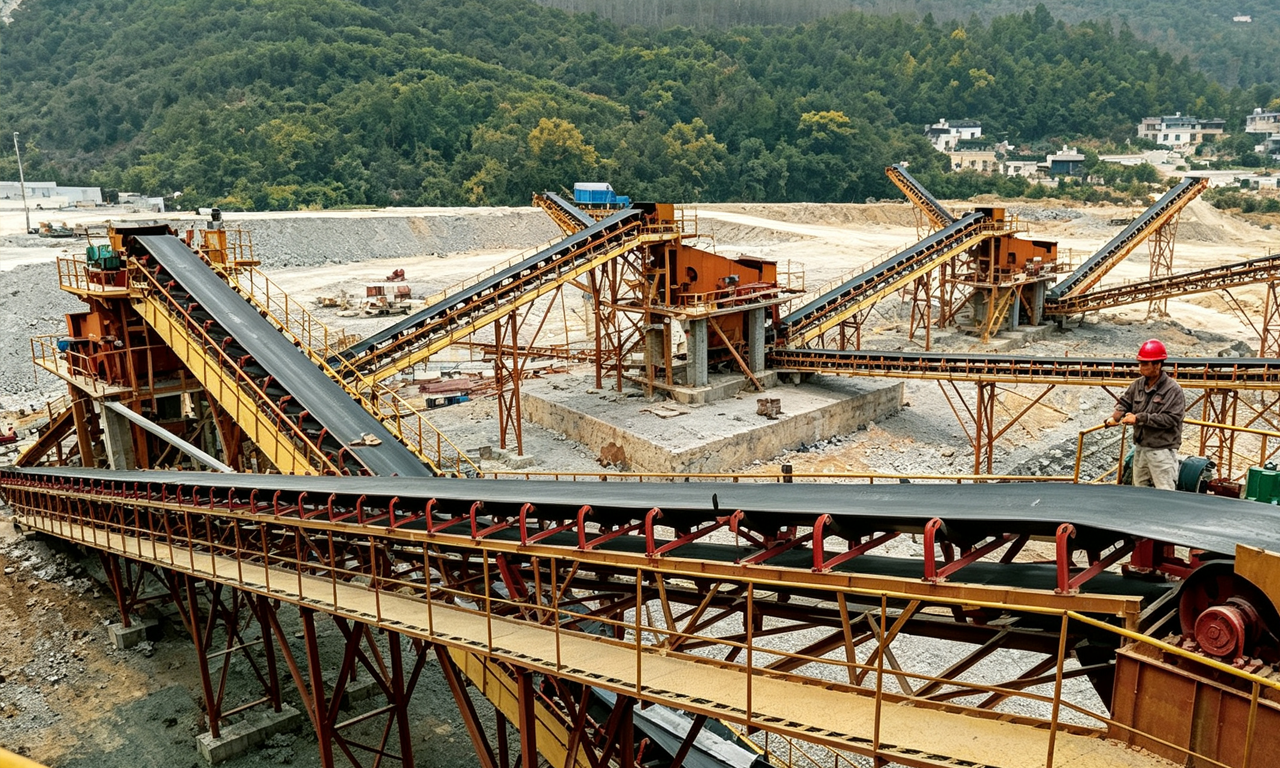
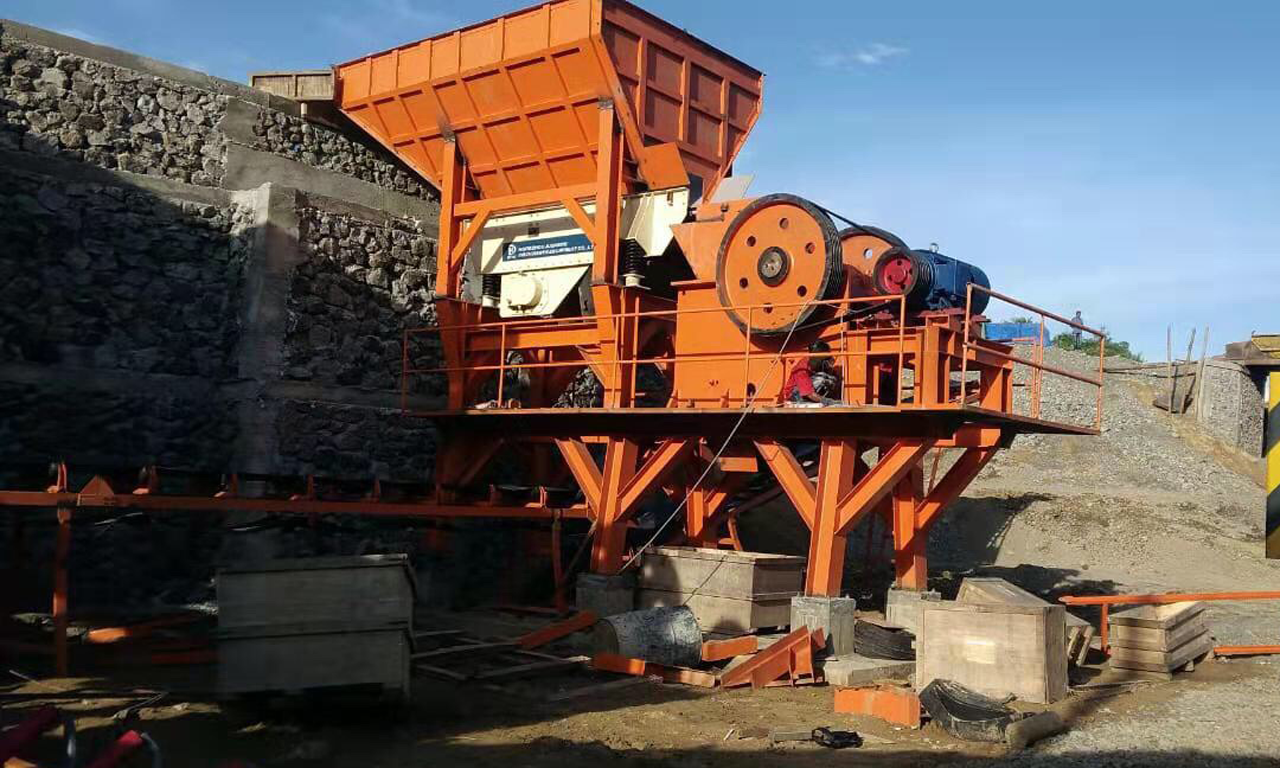
Generally installed under surge bins for feed regulation at the secondary or tertiary crushing stages and are also used in tunnels under open stockpiles for regular feeding to conveyor belts inside the tunnel.

How Does Vibrating Feeder Work?

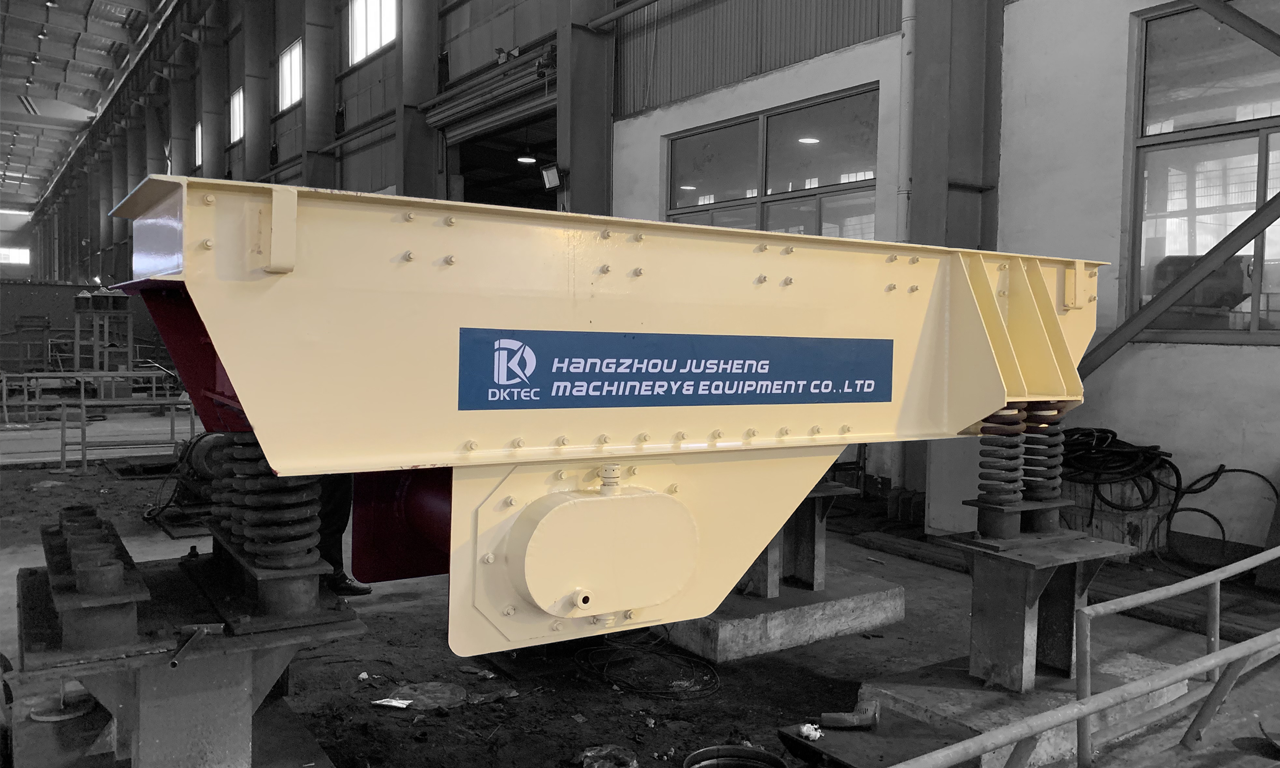
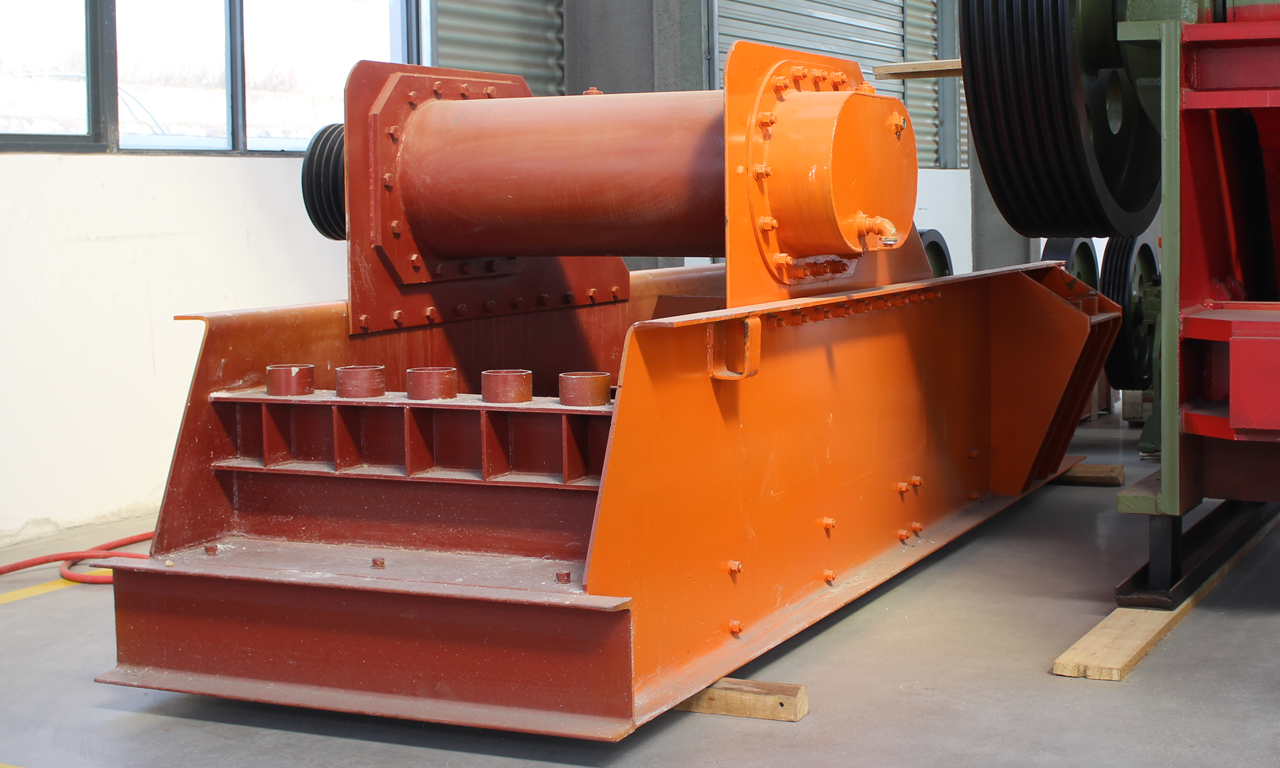
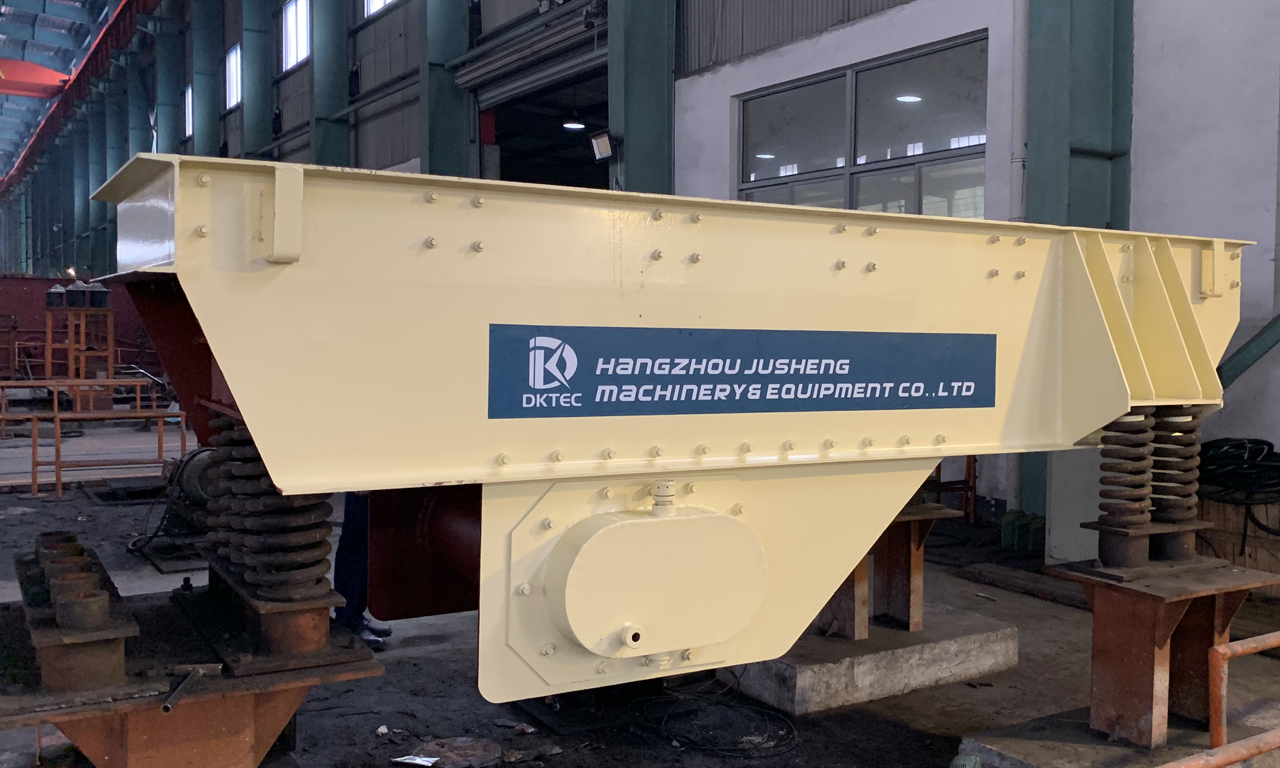
Vibrating feeders mounted onto springs mounts or suspended form, move the material by the vibration generated by 2 vibrating motors. Widely the motors are mounted under the pan of vibrating feeder, but they can also be mounted on top or on both sides of the pan.

Advantages of Using Vibrating Feeder

In addition to its different intended uses, it primarily regulates the capacity fluctuations that may occur at the primary stage by ensuring regular feeding of crushers at the secondary and tertiary stages.

Vibrating Feeder Processes Applications

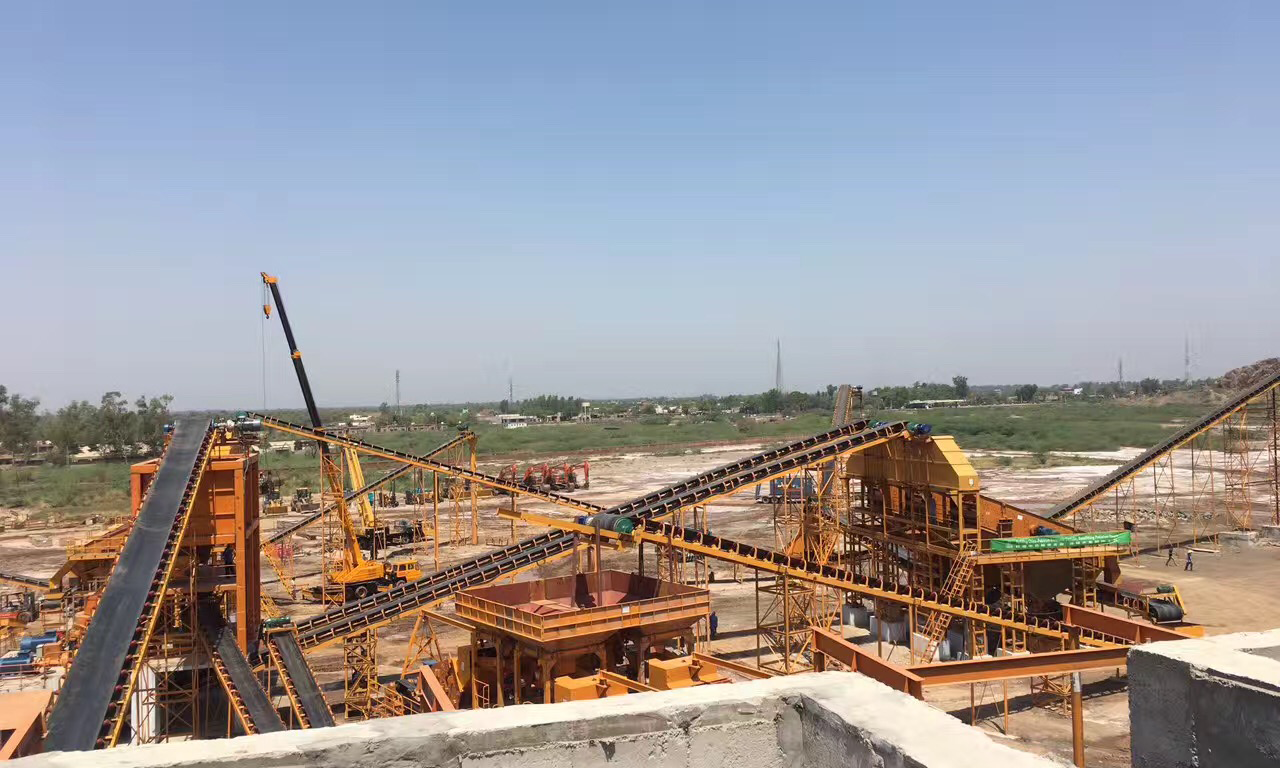
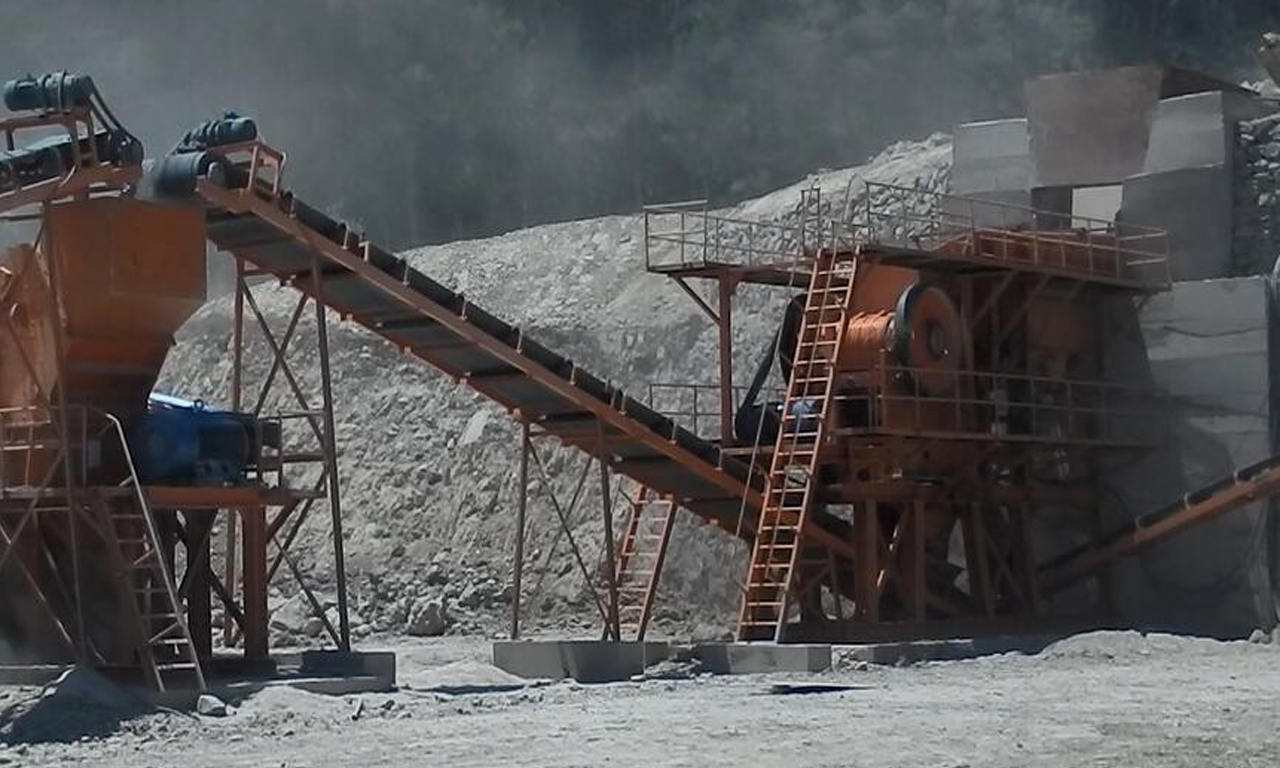
Vibrating feeders are secondary and tertiary stage equipment and are available in different widths and lengths for different capacities to be used in a wide range of applications such as mining, aggregate or recycling. They typically provide regular and continuous feeding of crushers through a hopper. They are widely used in tunnels under open stockpiles with regular feeding to conveyor belts inside the tunnel.