Cement Silos

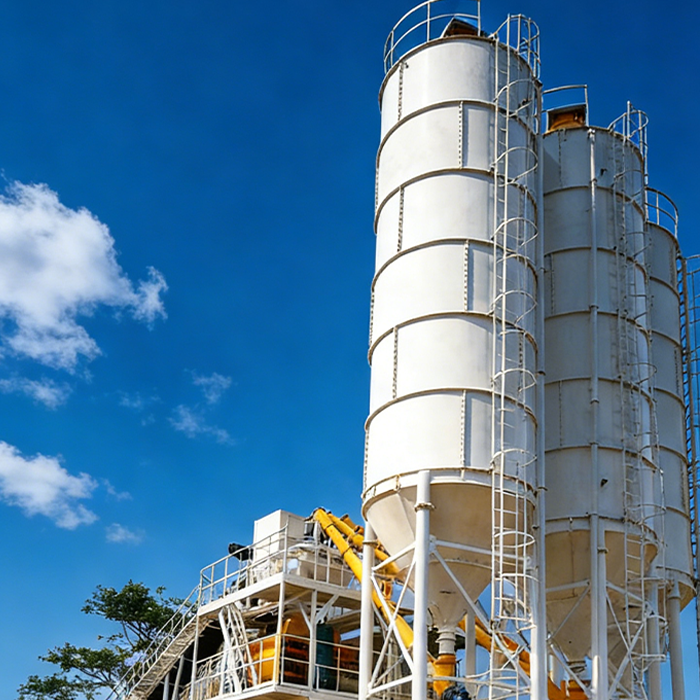
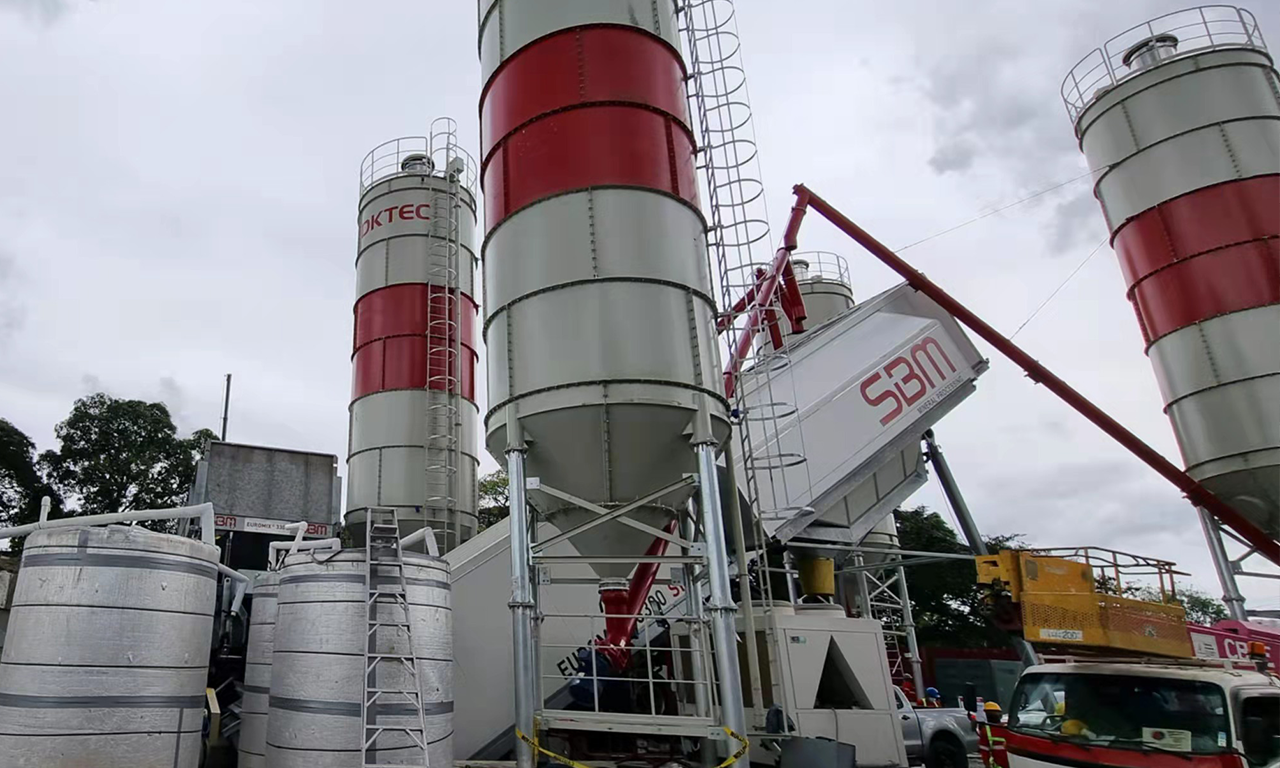
DKTEC offers a wide range of storage silos for powder products like, Lime, Fly Ash, Microsilica, Bentonite and others. The capacities vary from 50 to 2000 tons (calculating at 1,25t/m³).

Cement Silos

Cement Silos Highlights

Cement Silos
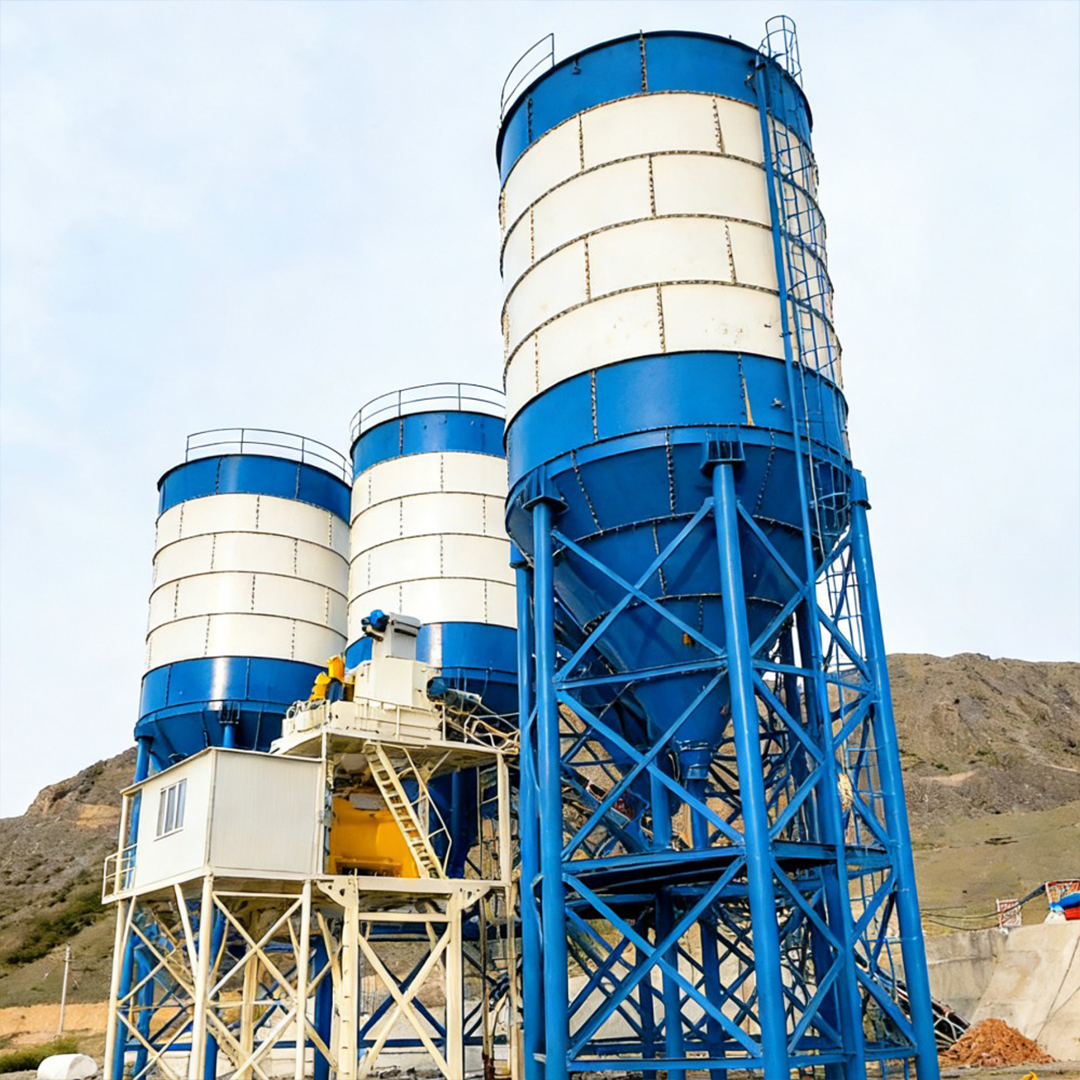
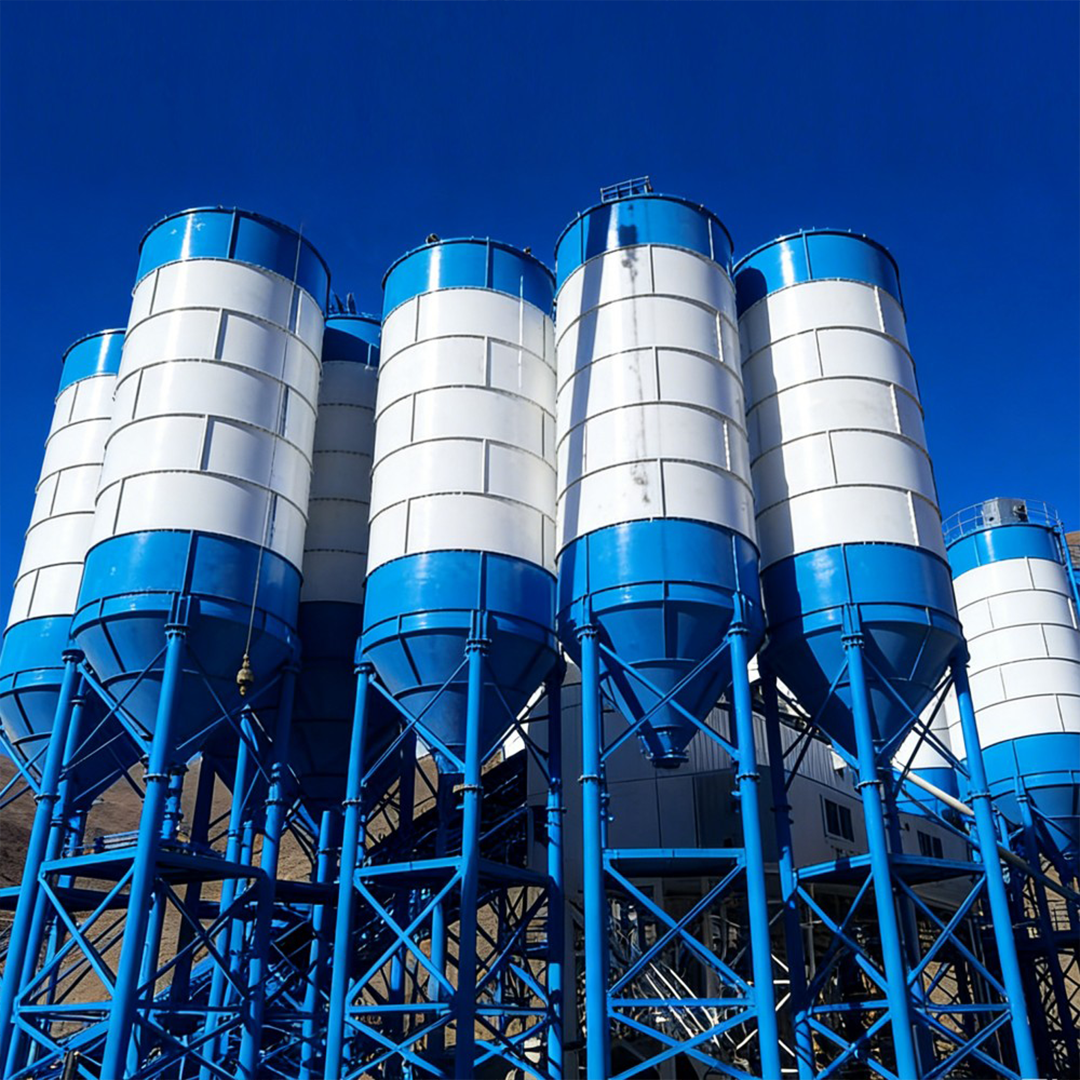
BOLTED TYPE SILOS

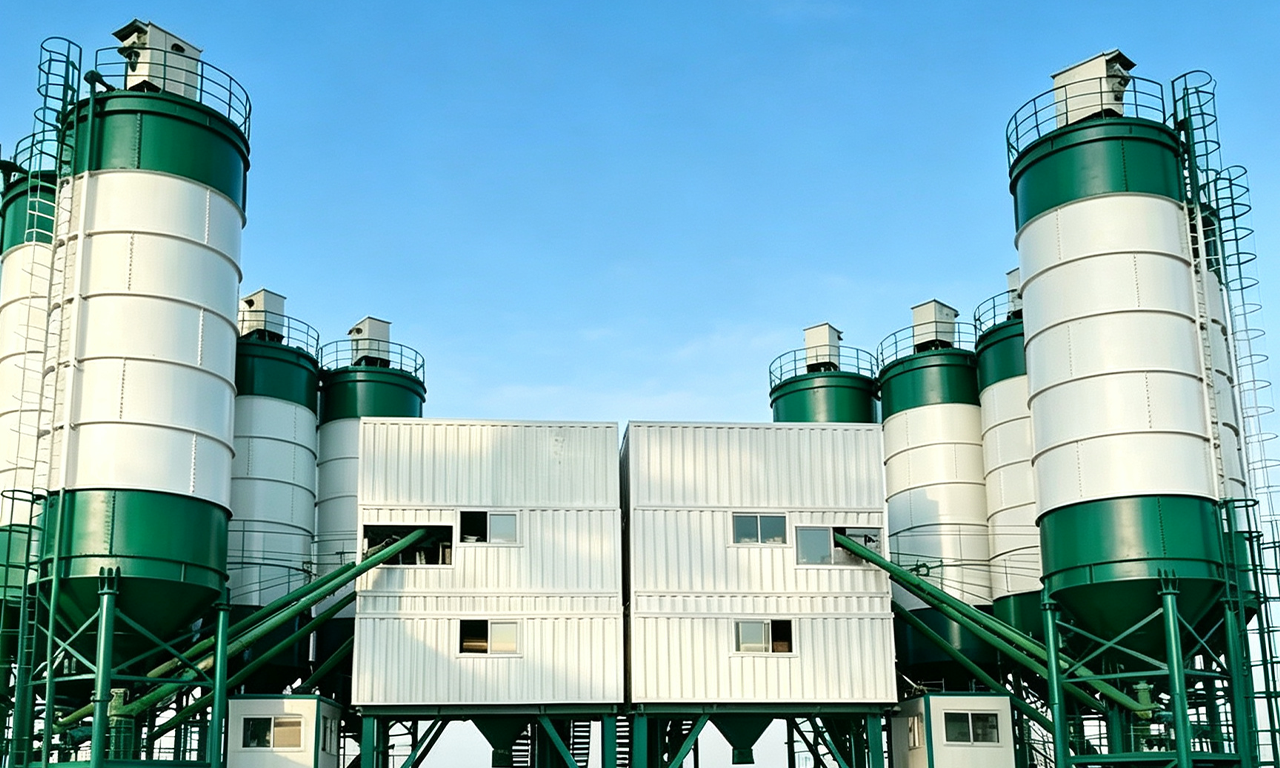
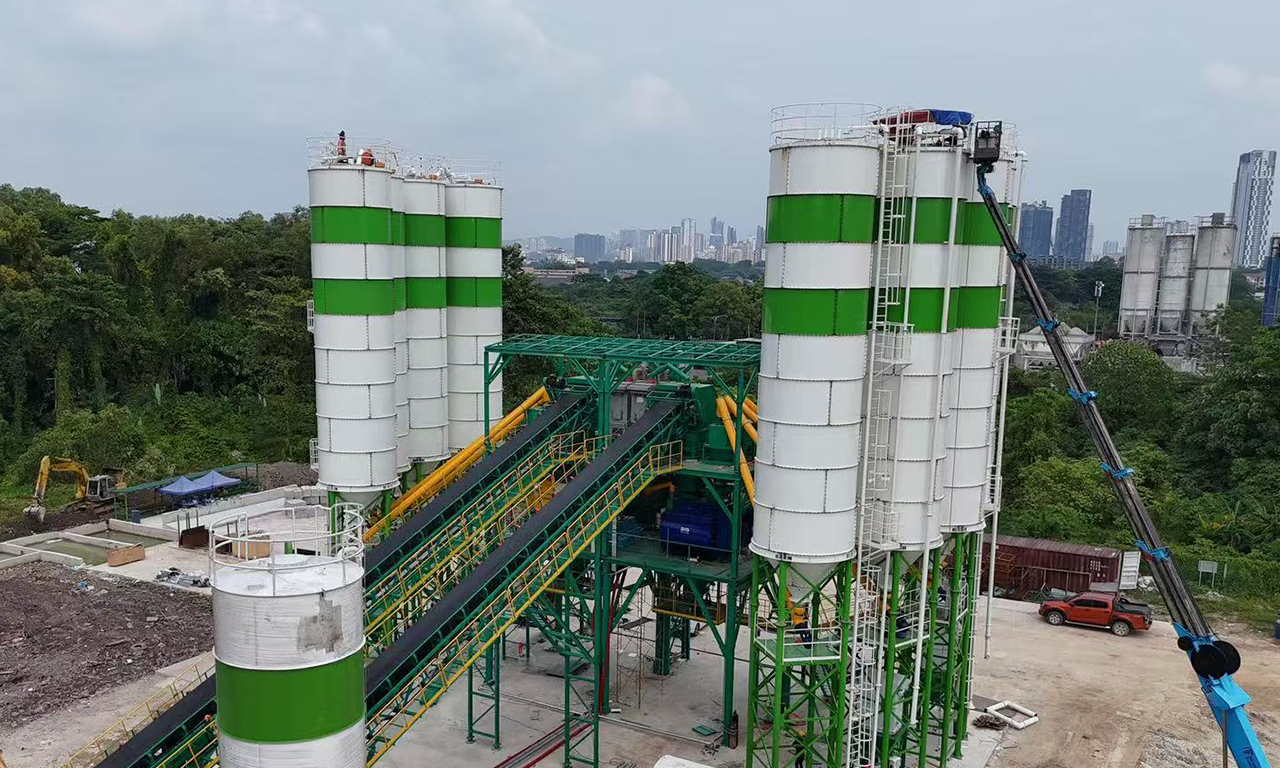
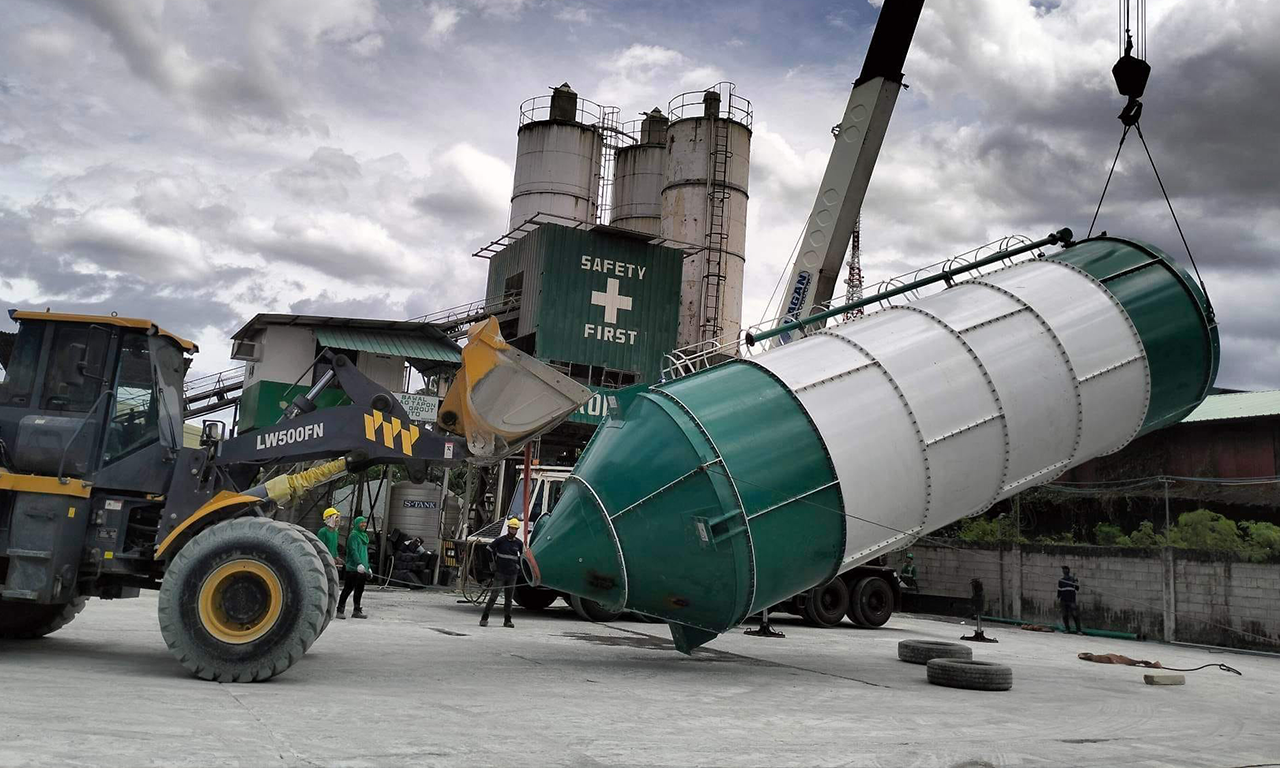
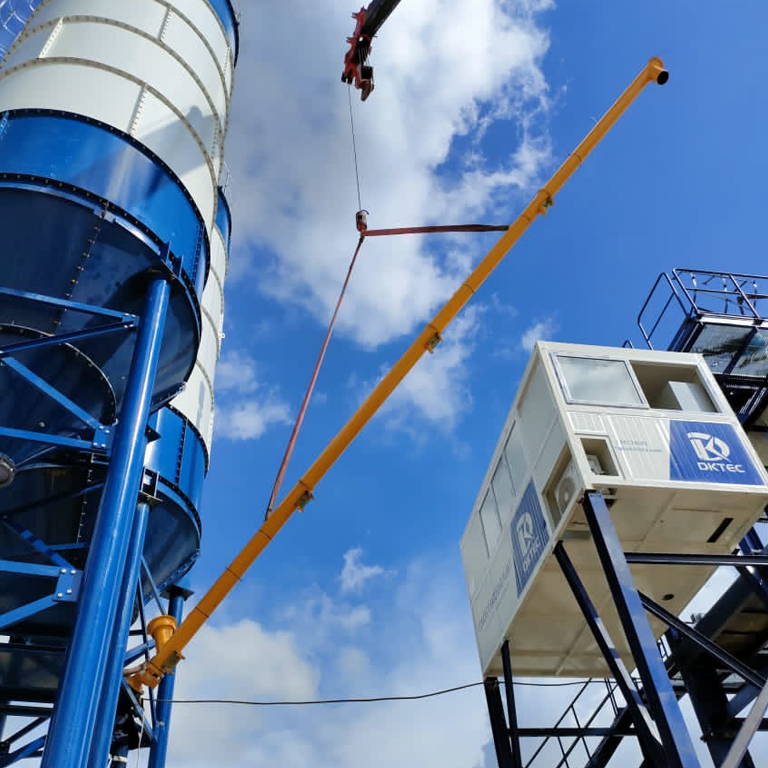
Bolted silos feature a modular design with bolted connections, offering significant advantages over traditional welded silos, including easy transportation, flexible installation, lower costs, convenient maintenance, and easy relocation. The silo can be divided into standardized components, making full use of container space and significantly reducing transportation costs, especially for international shipping and long-distance transportation. Once delivered to the project site, the components can be quickly assembled, reducing the need for large lifting equipment. The modular structure also makes maintenance and component replacement easier, while the silo capacity can be customized according to project requirements. In addition, the silo can be dismantled, transported, and reassembled when the project needs to be relocated. Therefore, bolted silos are particularly suitable for export projects, mobile concrete batching plants, temporary construction projects, and applications requiring relocation.


Cement Silos
BOLTED SILO CAPACITIES

50-80-100-120-150-200-250-300-800-1000-1500-2000 tons

Section

Section

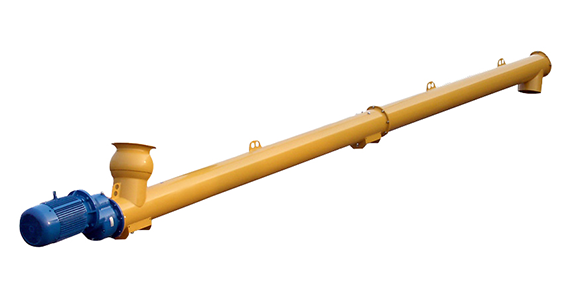
SCREW CONVEYORS

In addition to our own DKTEC products, we are also proud to supply silo accessories from renowned brands such as SICOMA and WAM. Our screw conveyors are available in a range of sizes and configurations, providing flexible solutions to meet the needs of different applications and projects.

SILO FILTER

Section

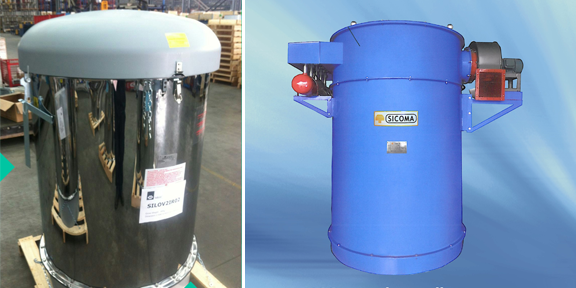
DKTEC supplies dust collectors from renowned brands such as SICOMA and WAM, providing reliable dust filtration solutions for cement silos and concrete batching plants. Designed for efficient dust removal and stable operation, these dust collectors help maintain a cleaner working environment, reduce dust emissions, and protect plant equipment. With compact designs, reliable filtration performance, and easy maintenance, they are suitable for a wide range of silo and batching plant applications.

Section

STANDARD SILO PACK

Standard silo equipment pack consists of the following:

A manual lever controlled butterfly valve on the bottom of the silo cuts the material flow for screw conveyor servicing.

Mix/Max level indicators send information to the batch computer when the amount is low or on its maximum.

Safety valve prevents silo from overpressure. The valve opens when threshold pressure limit is reached.

Aeration nozzles and airpipes ensure continuous flow of the material to the discharge area.

Section

Cement Silos Optional Features

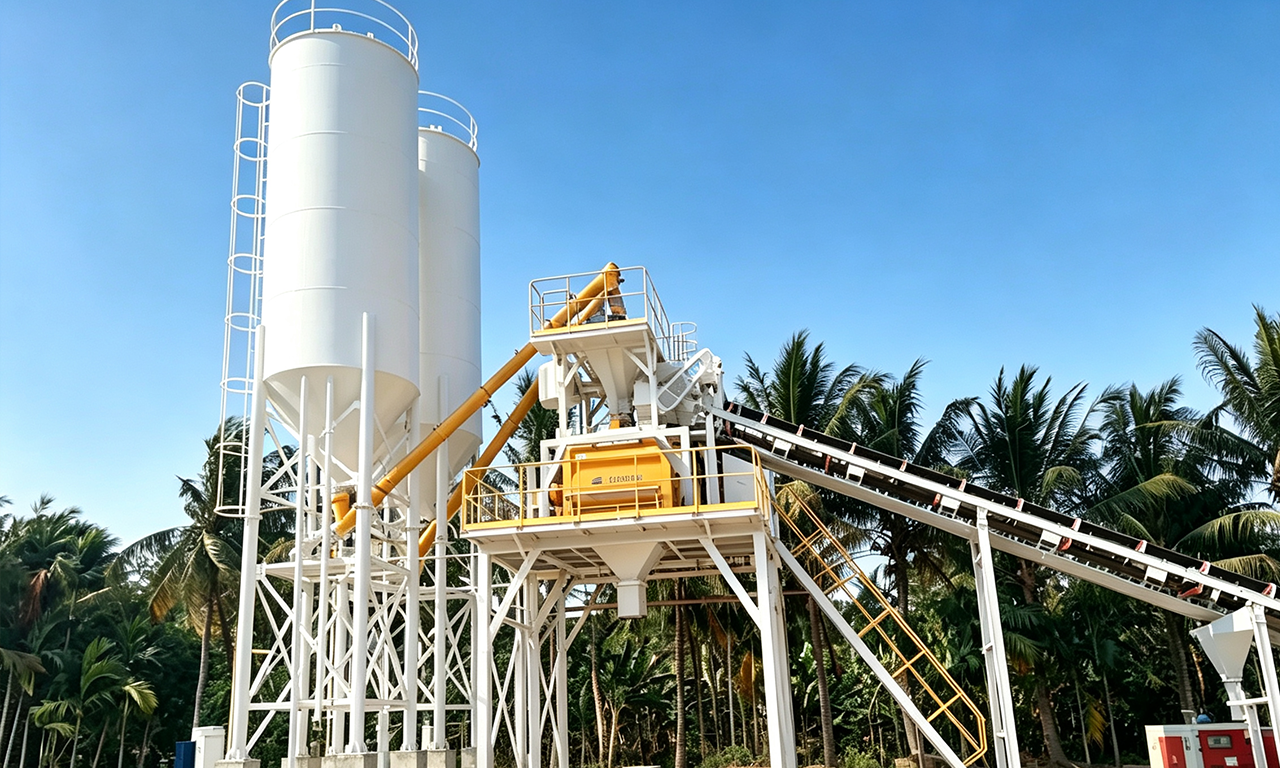
Cement silos are large-capacity storage tanks used for storing and preserving cement and other fine-grained materials. They are commonly used in concrete production plants, construction sites, and ready-mix concrete facilities. Silos protect cement from moisture and other external factors, ensuring it remains usable for an extended period.

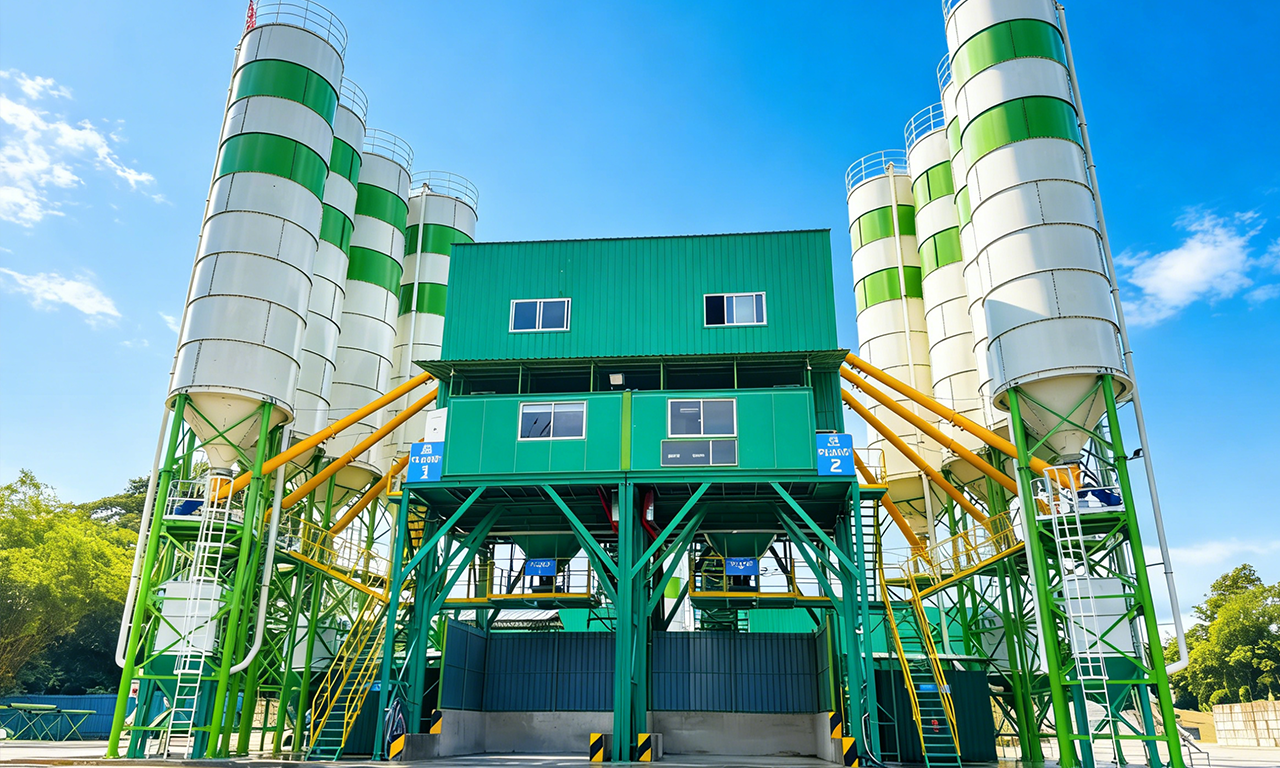
Cement silos are produced in various capacities and designs. Fixed silos are generally preferred for large-scale projects, while mobile silos can be used at different construction sites due to their portability.

What Is the Purpose of a Cement Silo?

Cement silos ensure the safe storage and preservation of cement and similar fine-grained materials. These silos minimize contact with moisture and air, preventing cement from clumping and helping it remain usable for an extended period.

What Is the Capacity of Cement Silos?

Cement silos are produced in various capacities, typically ranging from 50 tons to 500 tons. While 50-100 ton silos may be sufficient for small-scale projects, larger construction projects often require silos with capacities between 200 and 500 tons.

How Does a Cement Silo Work?

Cement silos discharge cement in a controlled manner using a special airflow system and screw conveyors. The cement inside the silo is transferred to a concrete mixer or production line via a screw conveyor or pneumatic system. Additionally, sensors can be used to monitor pressure levels and material quantity inside the silo.

How Is a Cement Silo Installed and Maintained?

Before installing a cement silo, the ground stability must be checked. The silo is placed on a flat, solid surface and secured properly. During maintenance, filters should be cleaned regularly, the screw conveyor system should be lubricated, and the material level inside the silo should be monitored. Additionally, the airflow system should be checked to ensure it is functioning properly to prevent cement from clumping.

Should You Choose a Fixed or Mobile Cement Silo?

The choice of a cement silo depends on the scale and duration of the project:

-Fixed cement silos are used for large-scale projects and facilities that require continuous production. Their high capacity makes them ideal for storing large quantities of cement for extended periods.

-Mobile cement silos are designed for use at different construction sites. Their easy portability makes them suitable for short-term projects.

Stay in Touch with Us
Subscribe to our newsletter now to stay informed about our new projects and products and be the first to learn the latest news from DKTEC!